

When it comes to making a house feel like home, nothing quite matches the warmth and character that wood elements bring to a space. Yet, many homeowners feel uncertain about how to incorporate wood accents without overwhelming their interiors or veering into cliché territory. That’s where thoughtful design decisions come in — balancing natural beauty with architectural interest to create spaces that feel inviting, personal, and timeless.
In my experience, wood accents do more than just decorate; they transform the atmosphere. For example, in a recent project with tall, sloped ceilings in an open living and dining area, I introduced a wood cove and a striking accent wood structure to foster intimacy and architectural drama. This wasn’t just about filling space — it was a deliberate choice to add warmth and focus, avoiding the cold, cavernous feel that large open rooms can sometimes have.
Crafting with wood means making intentional decisions about scale, texture, and placement. Here are some of my favorite ways to incorporate wood elements in interior design that bring both style and soul to your home.
Using Architectural Wood Features to Define a Space
Wood as an architectural element can define and enrich a room’s character. Think beyond traditional paneling — wood coves, ceiling treatments, and exposed beams add depth and texture that invite the eye to linger. In the project I mentioned, the wood cove softened the soaring ceiling height, creating a cozy nook effect without sacrificing openness.
For smaller rooms, geometric wood accent walls offer a modern twist that elevates the overall look. These designs add visual interest and a tactile quality that makes a bedroom or study feel curated and special. The key is to balance the wood’s natural warmth with the room’s color palette and furnishings, ensuring cohesion rather than clutter.
Creating Impact with Statement Walls and Ceilings
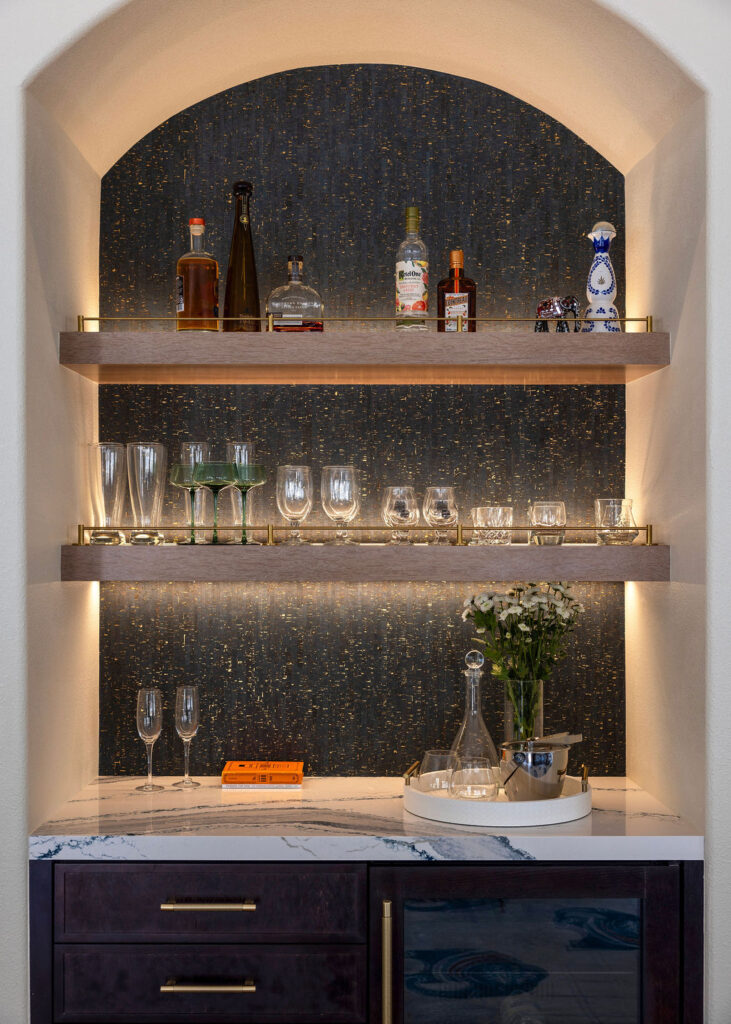
A statement wood wall or ceiling treatment can become the focal point of a room, anchoring the design and setting the tone. Whether it’s a full wall of reclaimed wood planks or a ceiling with layered wood beams, these features bring texture and history into your home.
However, it’s important to avoid overdoing it. Too much wood can feel heavy or dated, so I often recommend limiting wood accents to one or two key areas. This intentional restraint keeps the design fresh and allows the wood’s natural beauty to shine without competing with other elements.
Functional Wood Elements That Add Warmth and Utility
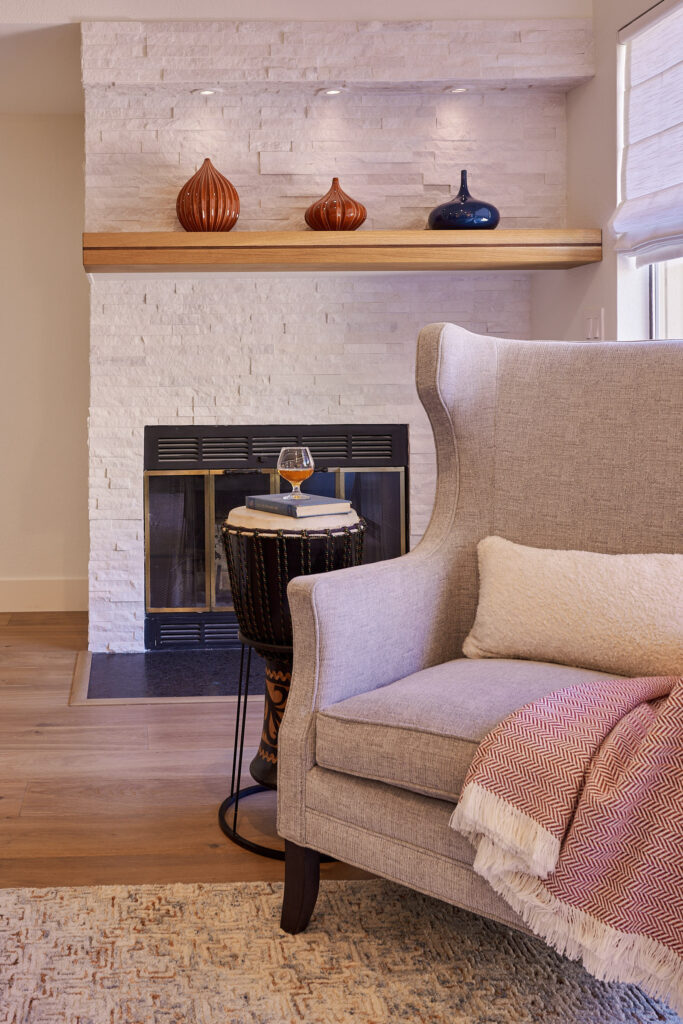
Wood isn’t just for looks — it can be highly functional too. Custom mantels, mudroom benchtops, and laundry counters crafted from wood add warmth to practical spaces. These surfaces stand up to daily use while contributing to the home’s overall aesthetic.
Layering Wood Tones for a Cohesive Interior
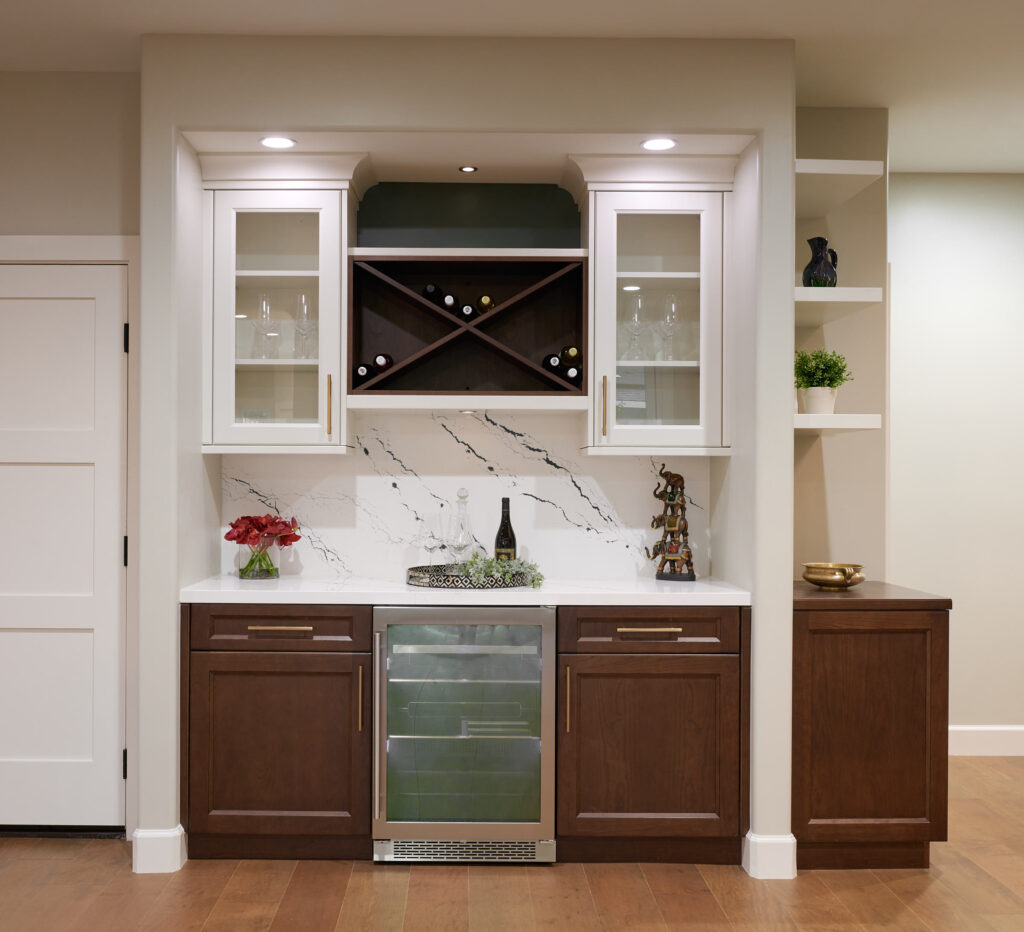
To create a harmonious feel throughout your home, layering wood accents thoughtfully is essential. Mixing different wood tones and finishes can add depth, but it’s crucial to maintain a consistent style thread. For example, pairing a rustic wood beam with sleek, modern wood cabinetry can work beautifully if the finishes complement each other and the overall design vision is clear.
Wood Elements in Interior Design: Your Questions Answered
Q: How do I choose the right type of wood for my space?
A: Consider the room’s function, lighting, and existing color palette. Lighter woods can brighten a space, while darker woods add richness and coziness. Also, think about durability—hardwoods like oak or maple are great for high-traffic areas.
Q: Can wood accents work in modern or minimalist interiors?
A: Absolutely! Wood adds natural texture and warmth that complements sleek, modern designs. Opt for clean lines and simple wood treatments like slatted panels or floating shelves to keep the look fresh.
Q: How do I maintain wood accents to keep them looking their best?
A: Regular dusting and occasional polishing with products suited to your wood finish will keep accents vibrant. Avoid excessive moisture and direct sunlight to prevent warping or fading.
Key Takeaways for Incorporating Wood Elements in Interior Design
- Prioritize warmth and intimacy by using wood to soften large or open spaces.
- Use wood accents as architectural features or statement pieces, but avoid overuse to keep the design balanced.
- Layer wood tones and finishes thoughtfully to create cohesion and depth throughout your home.
Bringing wood elements into your home is about more than just aesthetics — it’s about crafting spaces that feel welcoming and uniquely yours. If you’re ready to explore how wood accents can elevate your interiors, I’m here to help you design with warmth and intention.
If you’re inspired to bring the beauty of wood elements into your home’s interior design, let’s connect! Whether you’re dreaming of a cozy wood-accented nook or a bold architectural statement, I’m here to help you create spaces that feel warm, personal, and timeless.
Warmly,
Sheeja