
What Makes a Home Feel Truly “Finished”? The Details That Need to Be Planned Early
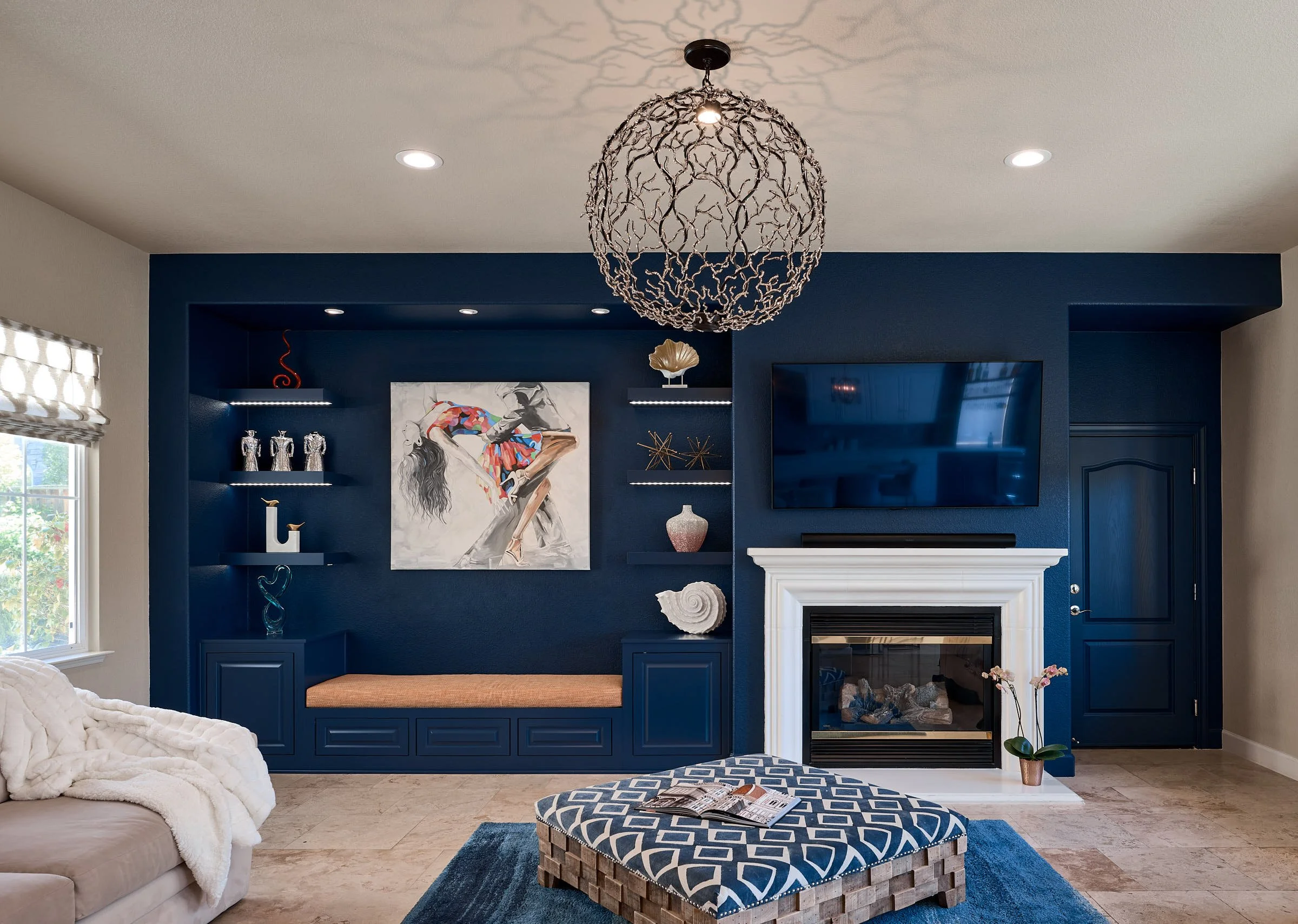
One thing homeowners often underestimate is how early the details that make a home feel truly finished need to be decided. It is easy to think of lighting, window treatments, hardware, artwork, or even furniture as things that can be addressed toward the end of a project. But by then, many of the decisions that affect them have already been made.
A floor outlet has to be in the right place before the sofa arrives. A sconce needs to relate to the artwork, mirror, or cabinetry around it. Drapery proportions depend on the architecture of the room. Furniture scale can affect everything from lighting placement to how a fireplace wall is designed.
None of these details necessarily calls attention to itself in a finished room. That is actually the point. When they have been planned well, the home simply feels resolved.
The Finished Look Starts With the Plan
A home can have beautiful materials and expensive furnishings and still feel slightly incomplete. Usually, it is not because something obvious is missing. It is because the individual parts have not been fully connected. This is why I prefer to think about the finished room from the beginning.
Where will the furniture sit? What will be seen from the adjoining space? Is there a wall that should be treated architecturally rather than left blank? Does the room need decorative lighting, built-ins, artwork, or a stronger focal point? These decisions shape the room long before installation day.
Lighting Needs to Relate to the Room Around It
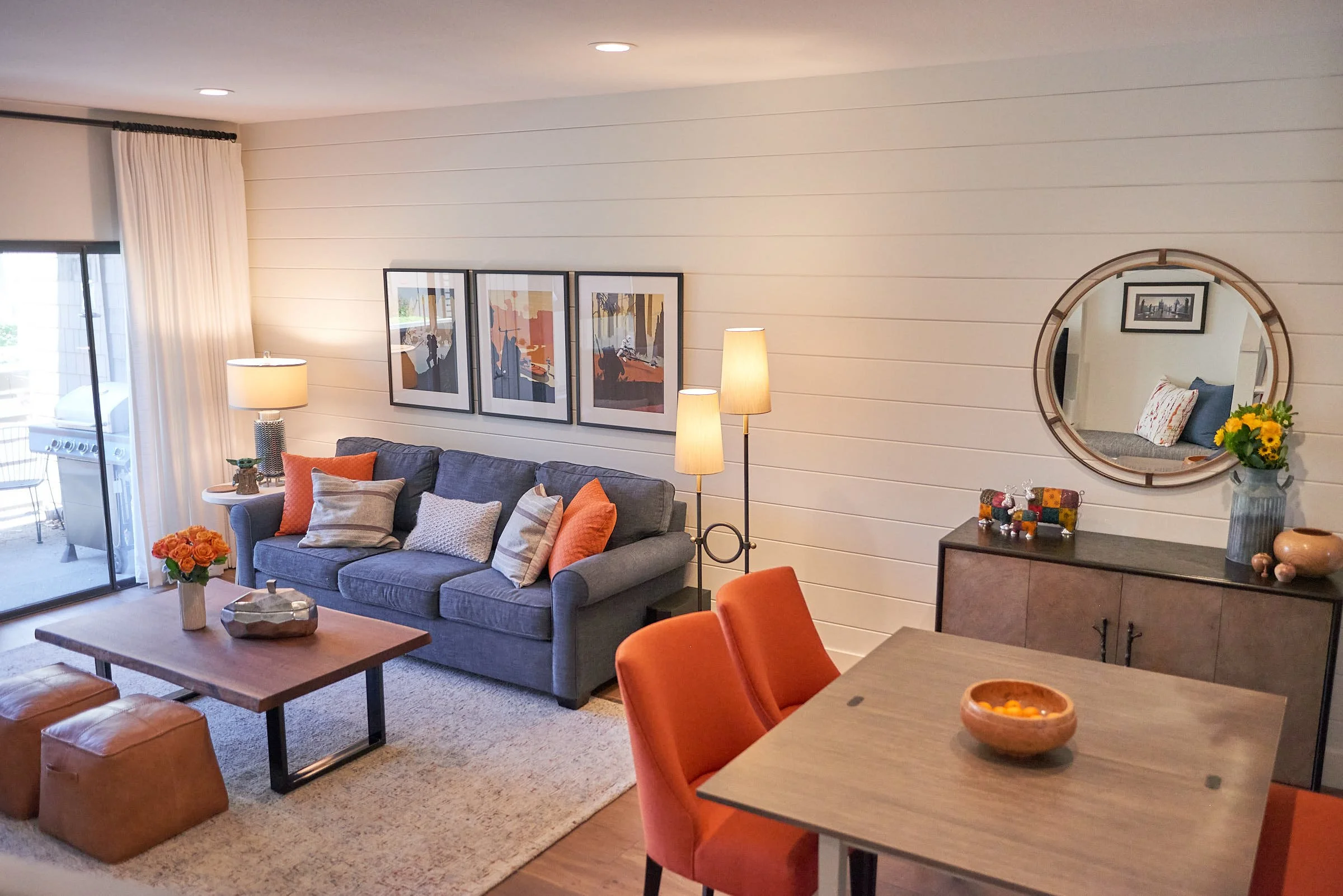
Lighting is one of the easiest areas to get wrong when it is treated as a separate selection. A beautiful chandelier is only beautiful if it is the right scale, hangs at the right height, and relates properly to what is below it. The same applies to sconces, picture lights, recessed lighting, lamps, and accent lighting.
I like to think about lighting together with the furniture, cabinetry, artwork, and architecture because those elements are all connected. A pair of sconces can completely change a wall, but only if their placement makes sense with what will eventually be there. A floor lamp may seem simple until the nearest outlet is six feet away. These are small things on a plan. In the finished room, they make a significant difference.
Millwork Often Creates the Sense of Permanence
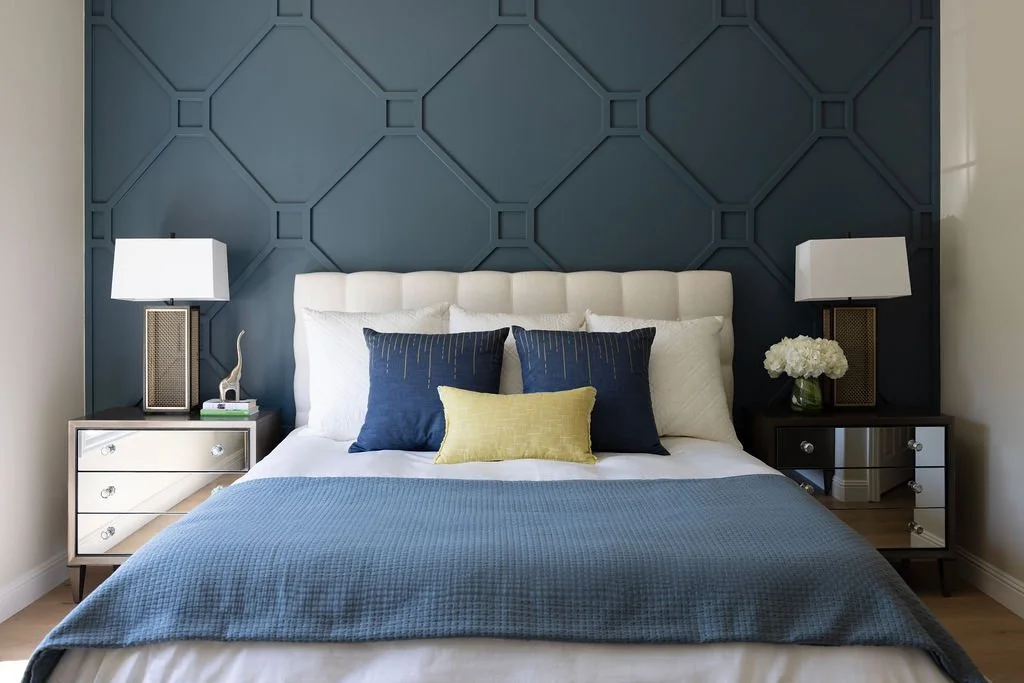
Custom cabinetry and architectural details can make a room feel much more established. A built-in may solve storage, but it can also improve the proportions of a wall. Paneling can give a dining room or hallway more depth. A thoughtfully designed fireplace wall can become the anchor that the rest of the room needs.
The key is that these elements should feel like they belong to the architecture. That takes coordination. Cabinet depths, baseboards, outlets, vent locations, lighting, television placement, ceiling details, and furniture all need to be considered together. When that planning happens early, the result feels integrated rather than added on.
Window Treatments Change the Way a Room Feels
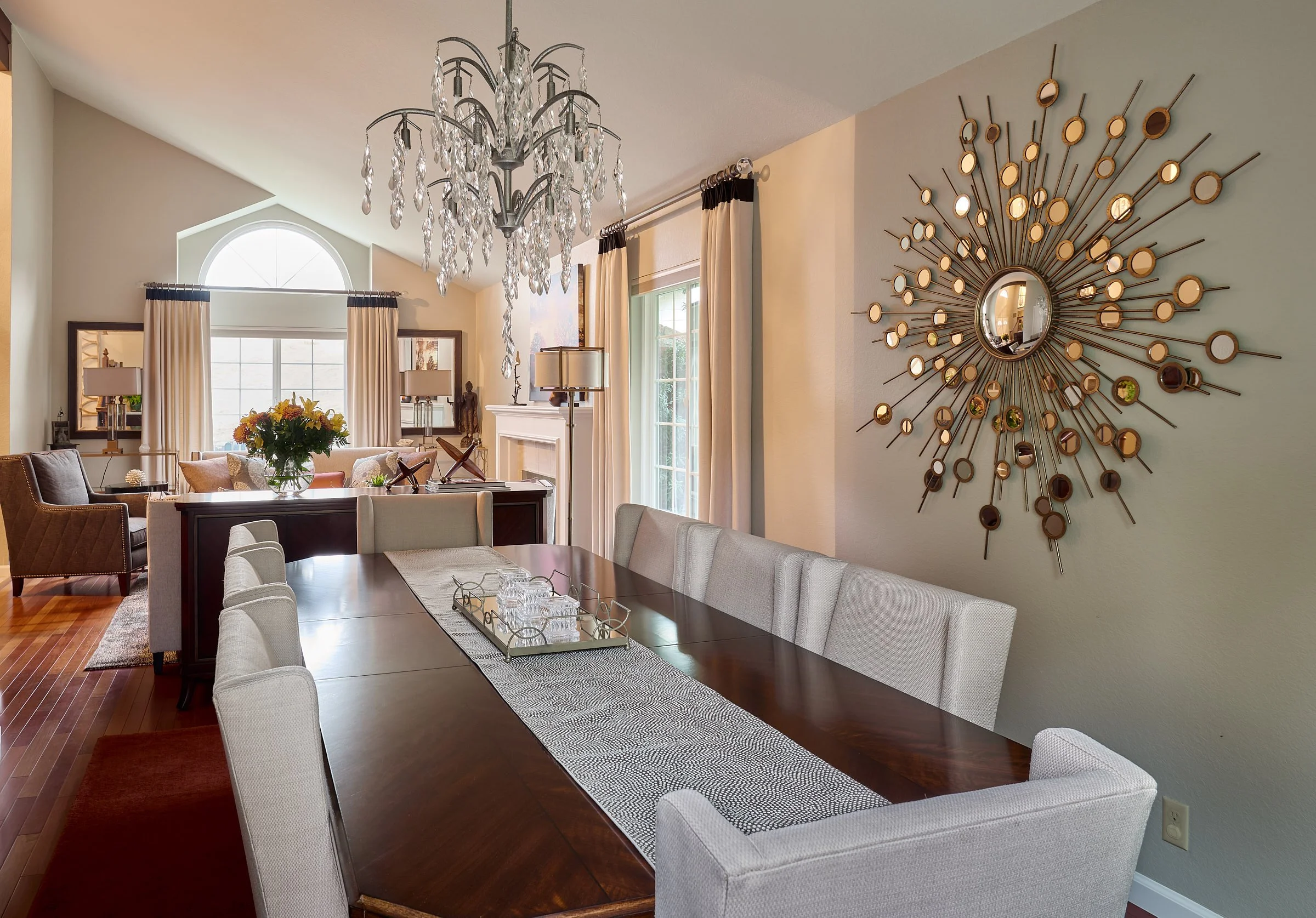
Window treatments are another area that is often left until late in a project. But they have a much bigger impact on the finished room than most people expect. The way drapery is mounted can make a ceiling feel taller. The amount of fabric affects how substantial or light the treatment feels. Hardware can either disappear quietly or become part of the design. And sometimes the best solution is not decorative at all.
The point is not to use the same treatment everywhere. It is to understand what each room needs and how the window treatment fits into the overall design. When that is considered early, the windows feel like part of the room rather than something that had to be dealt with at the end.
Scale Is One of the Most Important Details
I see this often in larger homes. The room is generous, but the furniture is not. A sofa can be beautiful and still be too small for the space. The same can happen with a rug, coffee table, chandelier, or piece of artwork. When the scale is off, the room can feel sparse or unsettled even when everything in it is high quality.
Good scale gives the room visual weight. It helps the furniture relate to the architecture and makes the space feel intentional instead of simply furnished. This is also why I like furniture planning to happen early. The size and placement of the major pieces can influence lighting, electrical, circulation, and even architectural decisions.
Electrical Planning Is Part of Interior Design
Electrical plans may not be the most exciting part of a project, but they have a tremendous effect on how well a room functions:
Where will table lamps plug in?
Do we need a floor outlet for a floating furniture arrangement?
Is there a switch, thermostat, or outlet exactly where we want to hang a large piece of art?
Will cabinetry cover an existing outlet?
Does the television location work with the furniture layout?
These are the kinds of questions that are much easier to solve before construction is complete. Once the drywall is finished and the furniture is being installed, the options become much more limited.
The Small Details Should Support the Bigger Idea
Hardware, plumbing finishes, switches, registers, and other small elements may seem secondary, but together they affect how polished a home feels.
I do not think everything needs to match. In fact, a home often feels more sophisticated when the finishes are layered rather than repeated exactly from room to room. But they should still relate to one another. The same goes for decorative details. One beautiful piece of hardware or one unusual fixture should feel intentional within the larger story of the home.
Styling Should Be the Final Layer
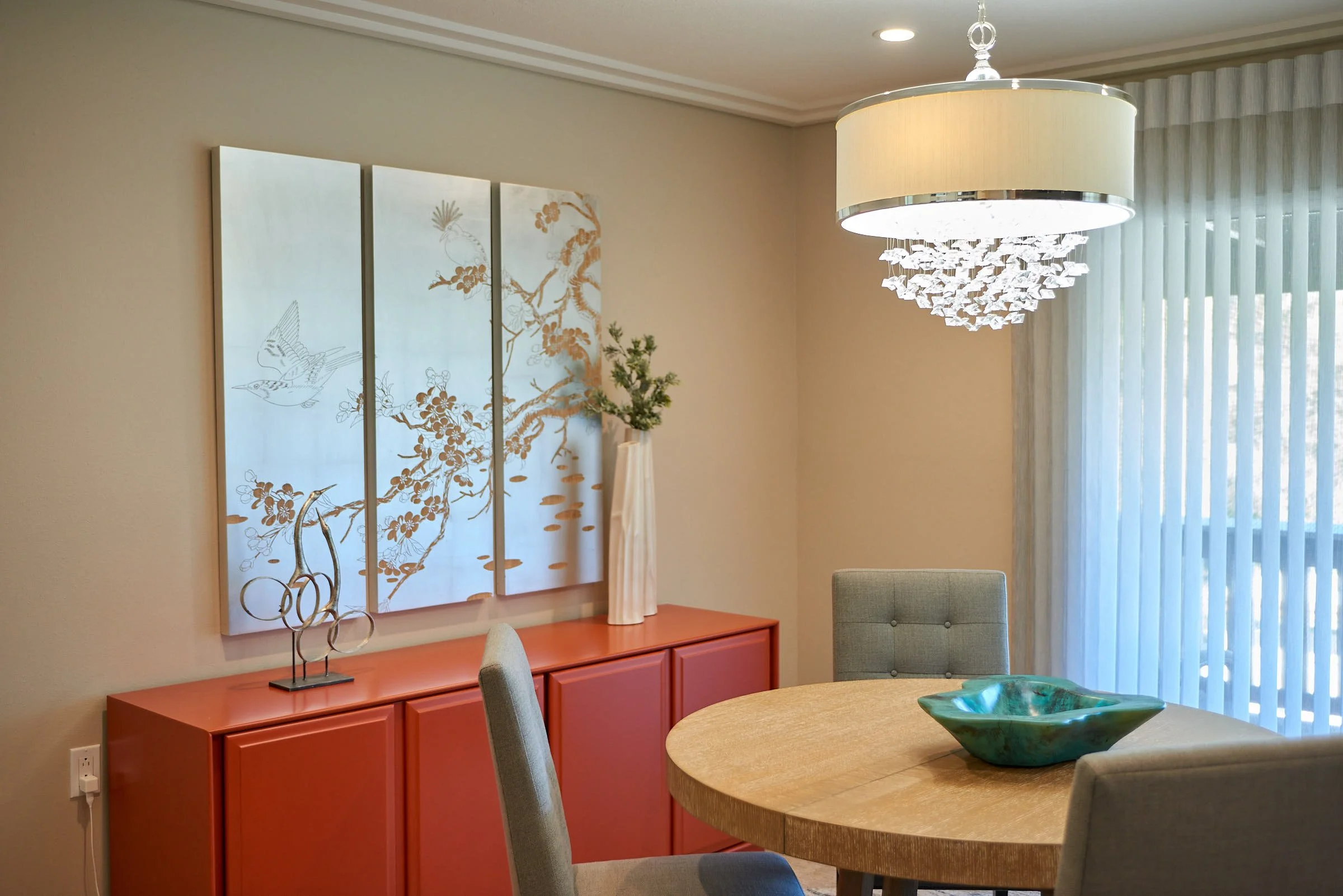
Accessories, art, books, objects, and greenery bring personality to a room, and they matter. But styling should not be responsible for fixing the design. If the furniture is too small, the lighting is wrong, or the room lacks structure, adding more decorative pieces rarely solves the problem.
The strongest rooms already feel balanced before the final layer is added. Styling then becomes what it should be: the part that makes the home feel personal and lived in.
A Finished Home Is Really About Cohesion
For me, a finished home is not one where every surface has been decorated. It is one where the architecture, furniture, lighting, materials, window treatments, and smaller details feel like they belong together. You may not notice every individual decision. You notice the overall feeling. The home feels balanced. The rooms feel connected. Nothing seems accidental or unresolved.
And that is why so many of the details that make a home feel complete need to be considered much earlier than people expect. By the time the final pieces arrive, much of what makes the home feel truly finished has already been decided.
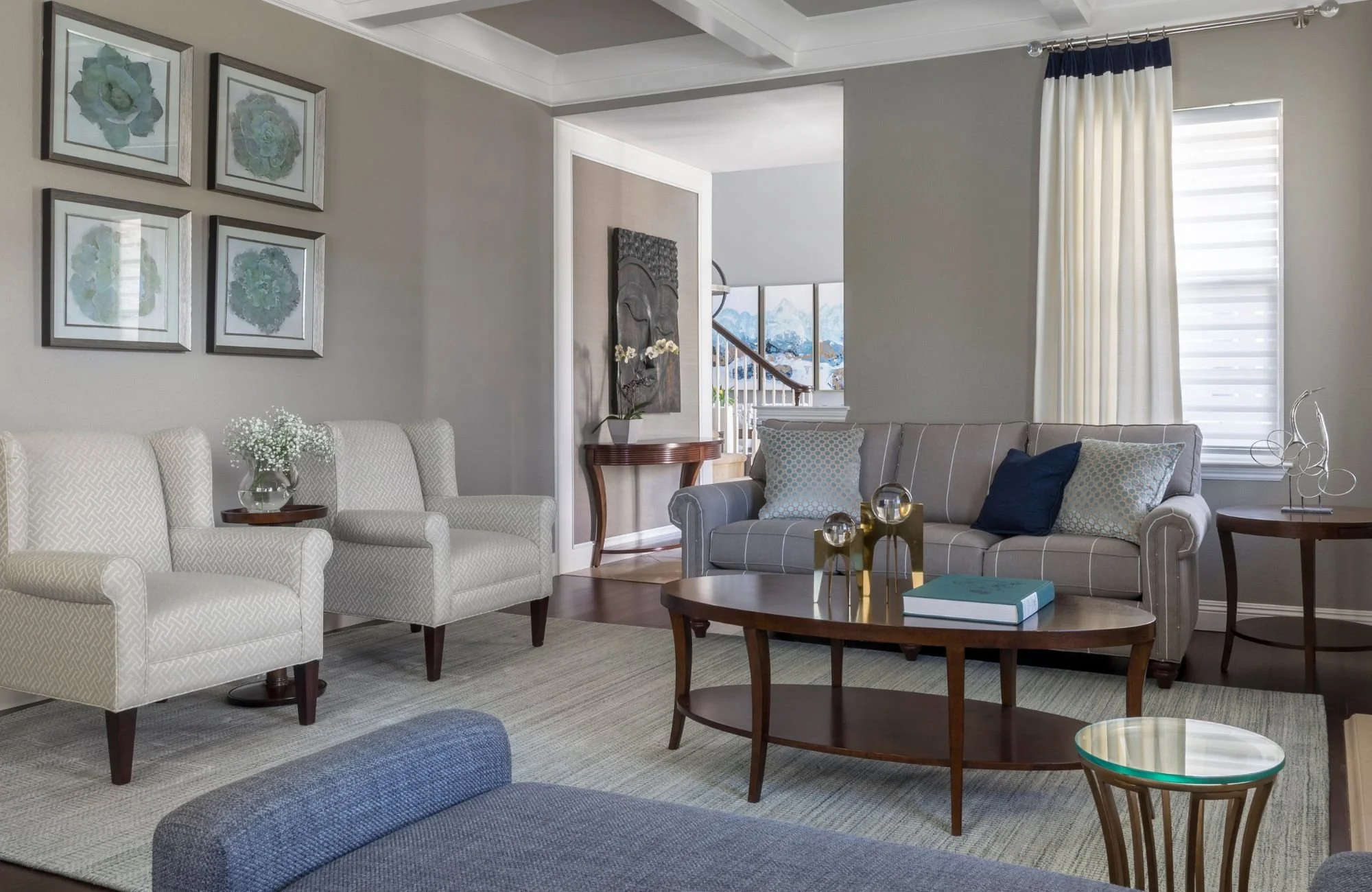
A truly finished home is a reflection of thoughtful decisions made well before the last coat of paint dries. When the details are planned early, a home naturally comes together in a way that feels polished and uniquely yours—especially for busy families and professionals balancing many priorities.
Ready to make your home feel truly finished? Reach out here, and let’s start planning those details early so you can enjoy a space that’s as polished as it is personal.
Warmly,
Sheeja
