
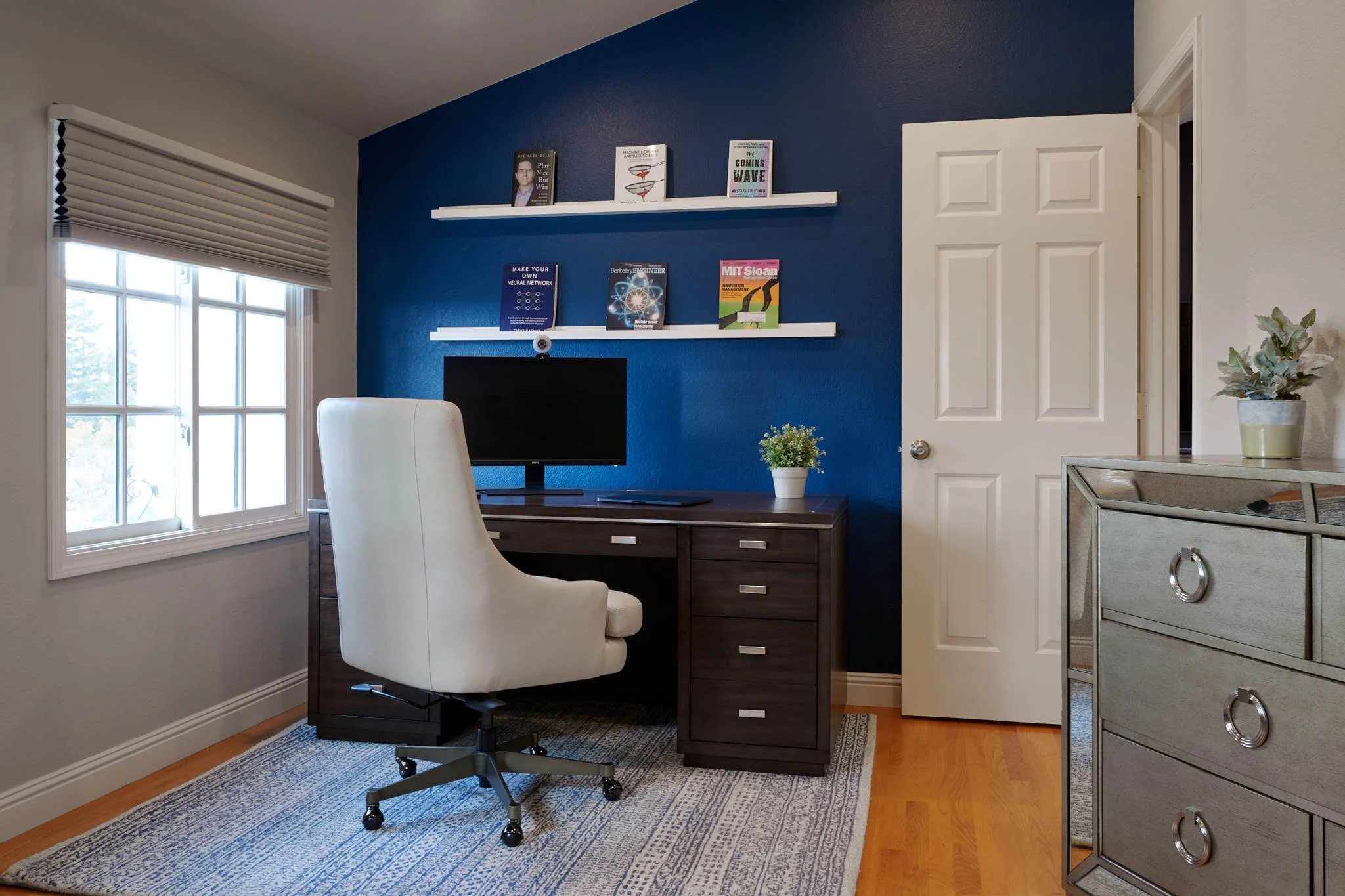
In today’s world, the home office is no longer just a desk in a quiet corner. For busy families juggling remote work, school, and relaxation, a multi-functional home office design is essential. It’s about creating a space that adapts seamlessly to work demands while offering comfort and calm for downtime.
If you’ve ever felt frustrated by a cluttered, cramped workspace that doesn’t quite fit your family’s lifestyle, you’re not alone. Designing a multi-functional space that truly works requires thoughtful planning and a bit of creative problem-solving.
Balancing Work and Life Needs in One Space
The first step in designing a multi-functional home office is understanding the unique needs of your family. For many, this means carving out a zone that supports productivity without sacrificing the warmth and livability of your home. It’s about blending function with style so that the space feels inviting rather than sterile.
One key consideration is workflow. How many people will use the space, and for what purposes? Will it double as a homework station, a creative nook, or even a spot for virtual meetings? Prioritizing these activities helps determine the layout and storage solutions that will keep the space organized and efficient.
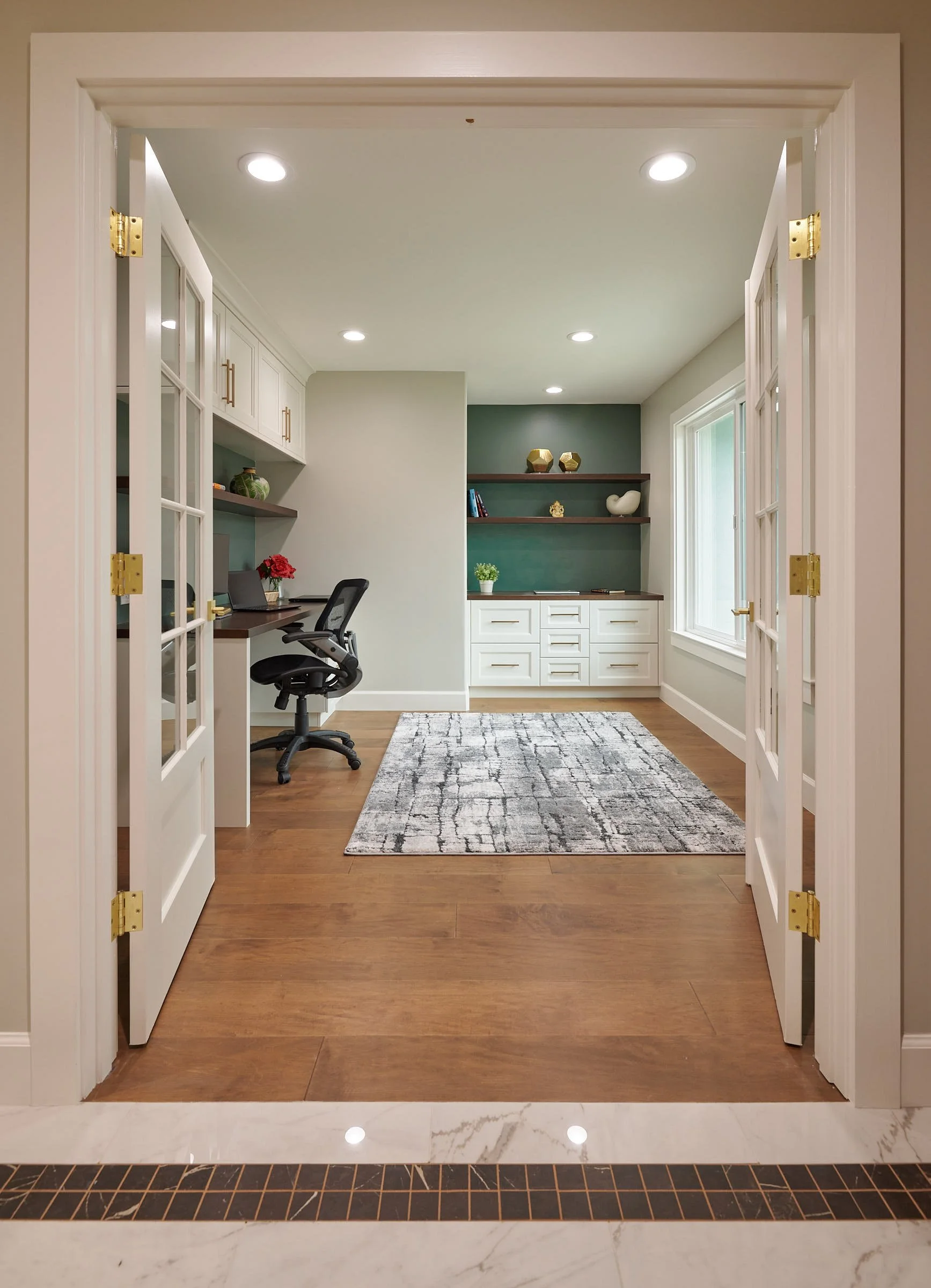
Smart Storage Solutions That Work Double Duty
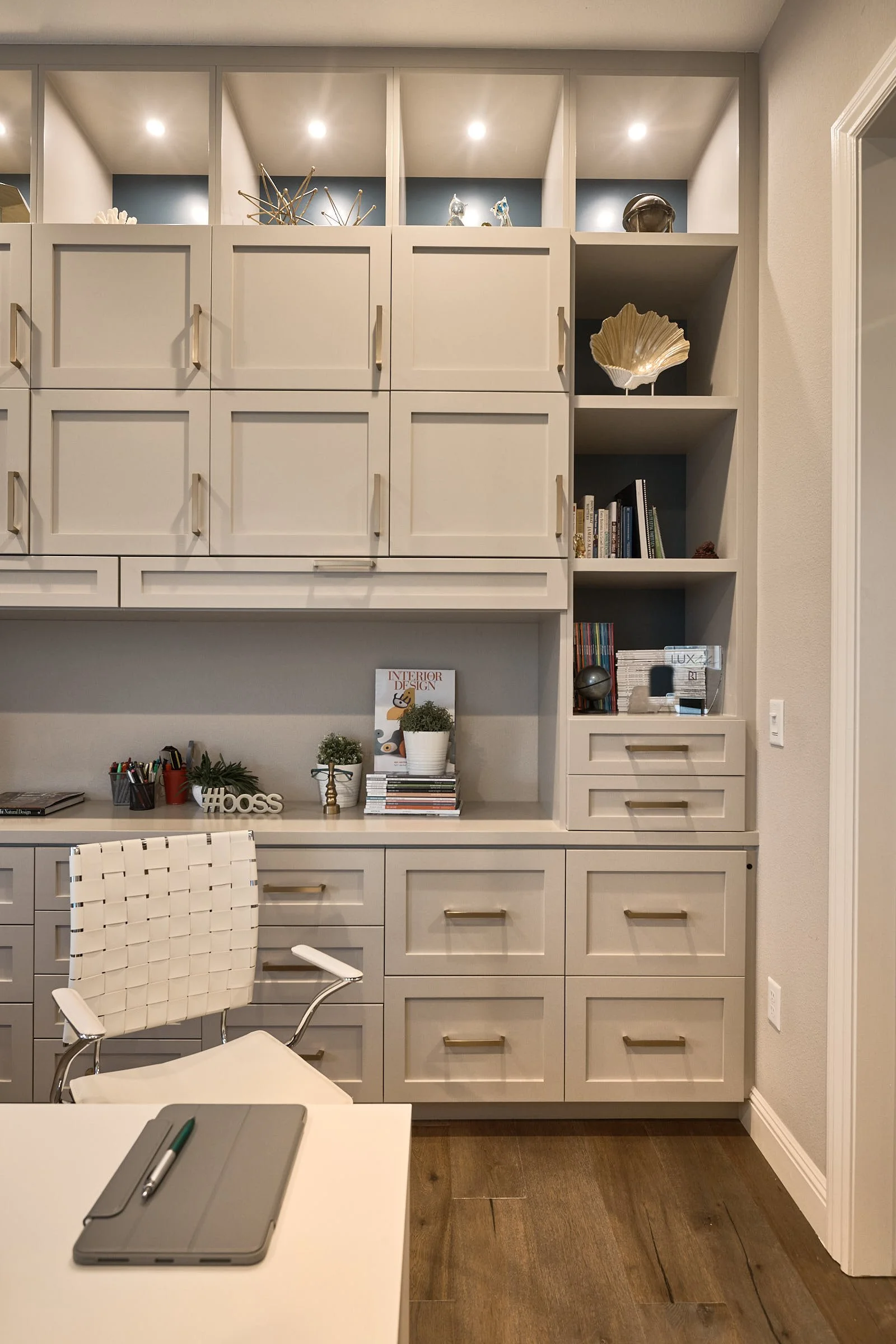
Clutter is the enemy of productivity, especially in a multi-functional space. Choosing storage that combines style and efficiency is a game-changer. Think built-in shelves that showcase personal touches while hiding office essentials, or modular units that can be reconfigured as your family’s needs evolve.
Incorporating hidden storage options, like under-desk drawers or cabinets with doors, keeps the space tidy and visually calm. This approach not only supports focus during work hours but also makes it easy to transition the room for relaxation or family time.
Creating Zones for Work and Relaxation
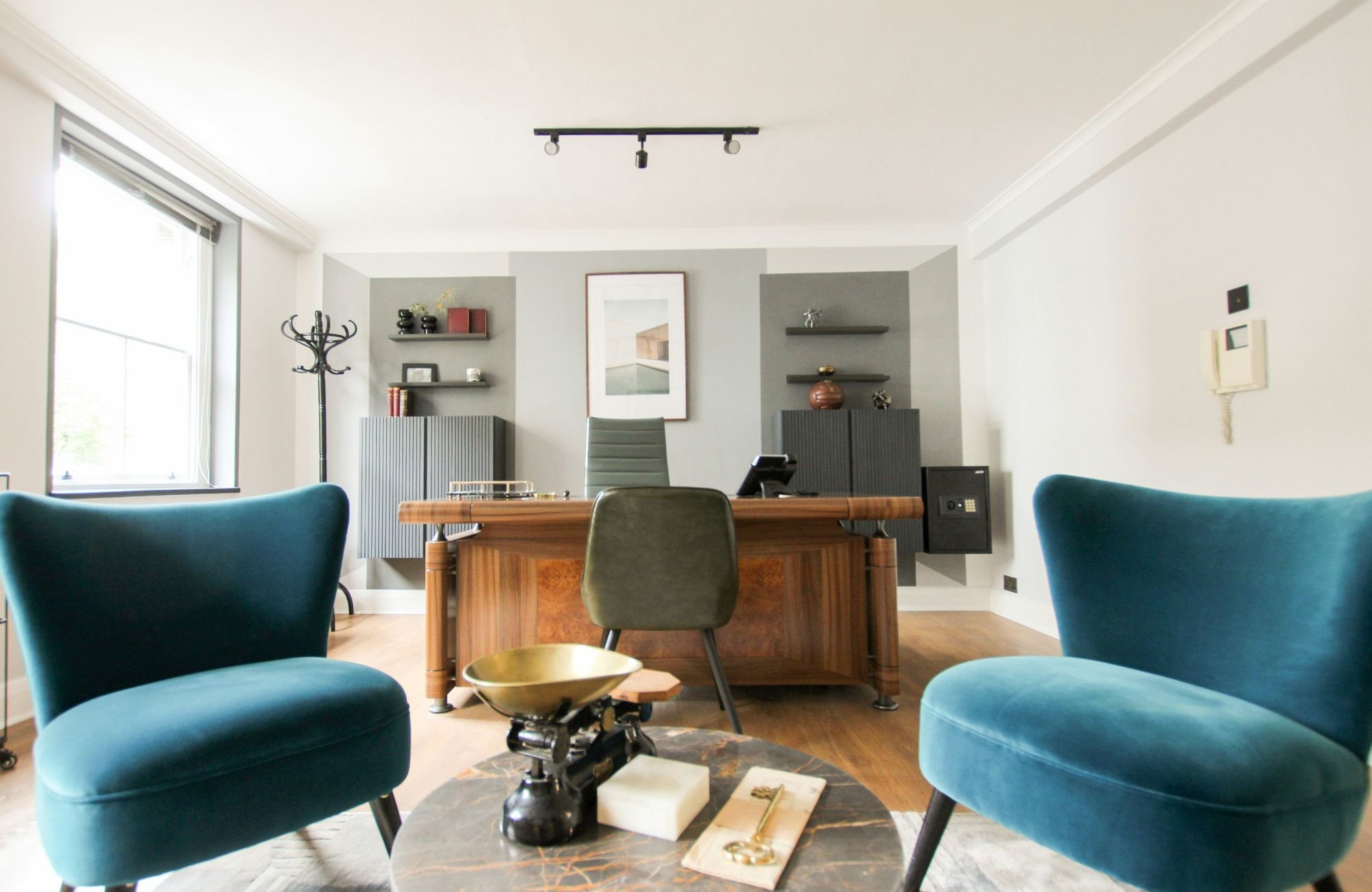
A successful multi-functional home office design clearly defines areas for different activities. Using furniture placement, rugs, or lighting can help delineate work zones from relaxation spots. For example, a comfortable chair or small sofa tucked into a corner invites breaks and unwinding without leaving the room.
Lighting plays a crucial role here. Task lighting ensures productivity, while softer ambient lighting sets a calming mood when it’s time to step away from the screen. This balance helps maintain mental well-being and prevents burnout.
Key Takeaways for Multi-Functional Home Office Design
Design with your family’s unique workflow and lifestyle in mind—there’s no one-size-fits-all solution.
Invest in smart, stylish storage that keeps clutter out of sight but within reach.
Create distinct zones for work and relaxation to support both productivity and mental health.
Ready to transform your home office into a multi-functional haven that supports your busy family’s needs? Thoughtful design can make all the difference in creating a space that works as hard as you do. Reach out here, and let’s begin the conversation.
Warmly,
Sheeja
