

One of the things I love most about designing homes is that no two floor plans call for the same approach. Open floor plans invite connection, flow, and shared moments, while closed floor plans offer structure, intimacy, and a sense of retreat. Each has its own rhythm and charm, and understanding those differences helps homeowners create spaces that truly fit how they live.
Open vs. Closed: Color Palettes
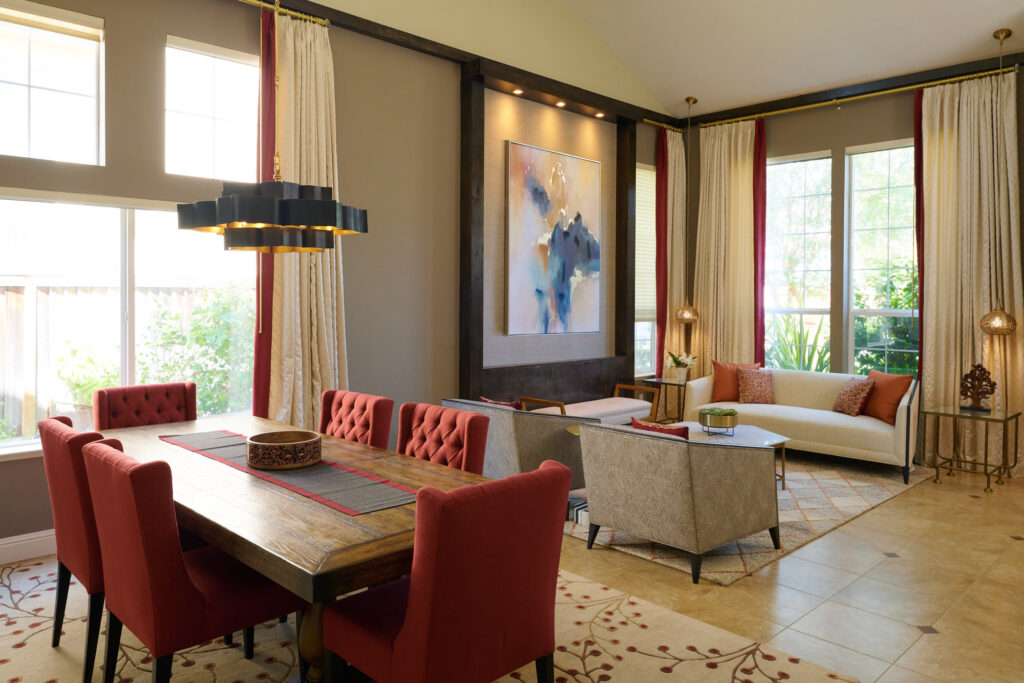
In an open floor plan, color plays a big role in creating a sense of harmony from one area to the next. Because so many spaces are visible at once, a cohesive palette helps everything feel intentional rather than busy.
Closed floor plans, on the other hand, give you the freedom to let each room have its own personality. You can be bolder with color choices, experiment with contrast, and design each space as its own little experience, while still tying everything together through thoughtful accents.
Open vs. Closed: Furniture Placement
Open floor plans often rely on furniture and rugs to define where one space ends and another begins. A sofa, a console table, or a well-placed area rug can subtly separate the living room from the dining area without breaking the flow.
In closed floor plans, the walls already do some of that work, so furniture placement often focuses on keeping pathways clear and the room feeling open. Pulling pieces slightly away from walls or keeping larger items on the periphery can help each room feel more inviting.
Open vs. Closed: Lighting Approach
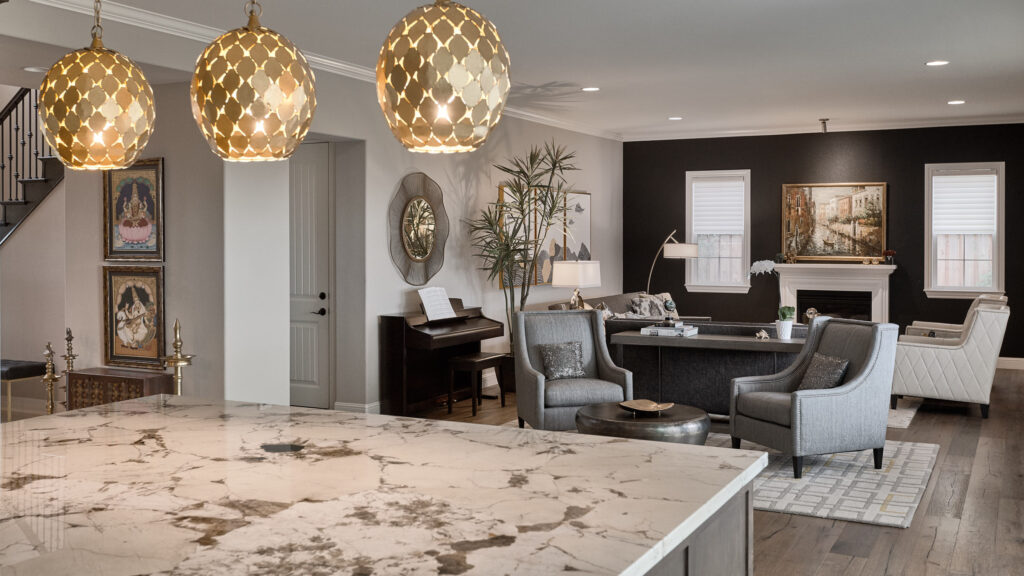
With open floor plans, the challenge is often managing natural light so it feels soft and balanced throughout the space. Window treatments, layered lighting, and thoughtful fixture placement help prevent glare while still keeping things bright.
Closed floor plans usually need the opposite approach, especially in interior rooms or hallways. Adding mirrors, lighter finishes, and well-planned lighting can make these spaces feel more open and cheerful.
Open vs. Closed: Privacy Considerations
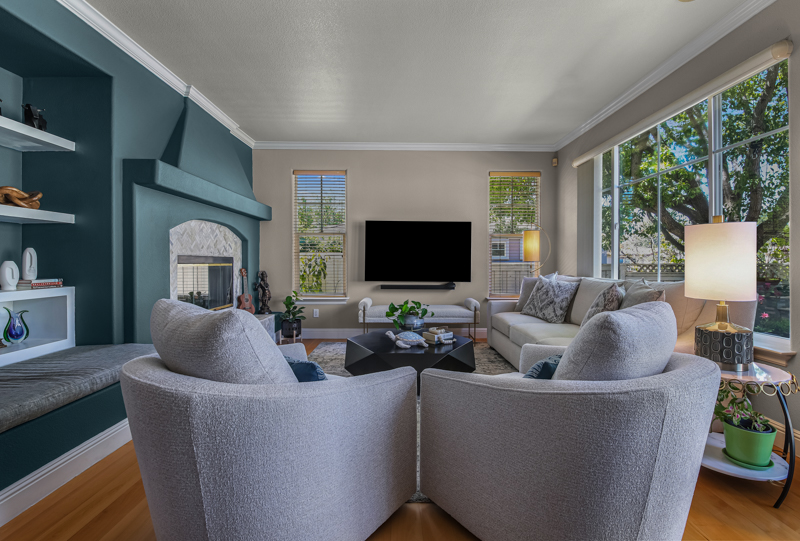
Open floor plans come with clear lines of sight, which can make privacy a real consideration, especially for families or those working from home. Thoughtful zoning, strategic furniture placement, and even decorative screens can help create a sense of separation when needed.
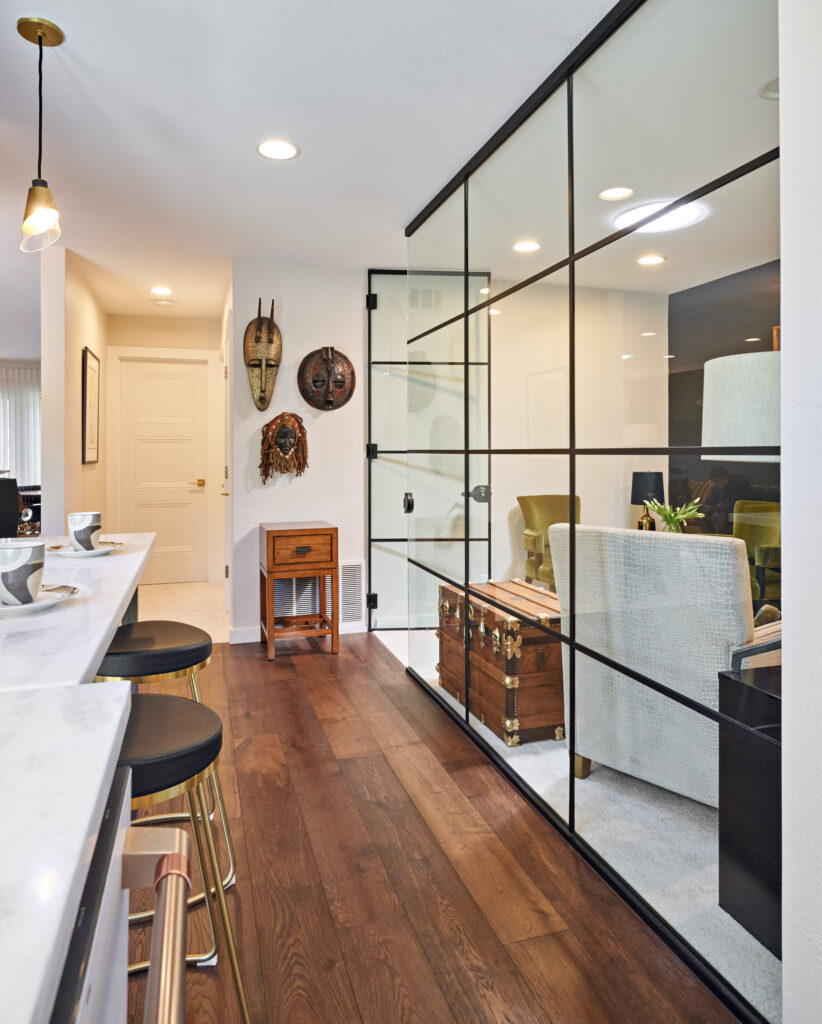
With closed floor plans, privacy is built in, but visibility becomes important, especially for families with young children. Designing with interior windows, glass doors, or open sightlines between key spaces helps balance safety with comfort.
Choosing the Right Floor Plan for Your Lifestyle
Both open and closed floor plans come with their own challenges, but they also offer unique opportunities to create spaces that feel personal and functional. The key is understanding how each layout supports daily life and designing with intention. I enjoy the challenge of working with both styles and the ability to tailor each design to the people who call it home.
Want a home that feels cohesive and curated, no matter the floor plan? Contact us to start the conversation. We’re here for you!
Warmly,
Sheeja Nair